


How Is Communication Technology Chosen in Smart City Projects?
Lighting, metering and environmental measurement across a district do not have to share one network. We look at the criteria that drive the choice.
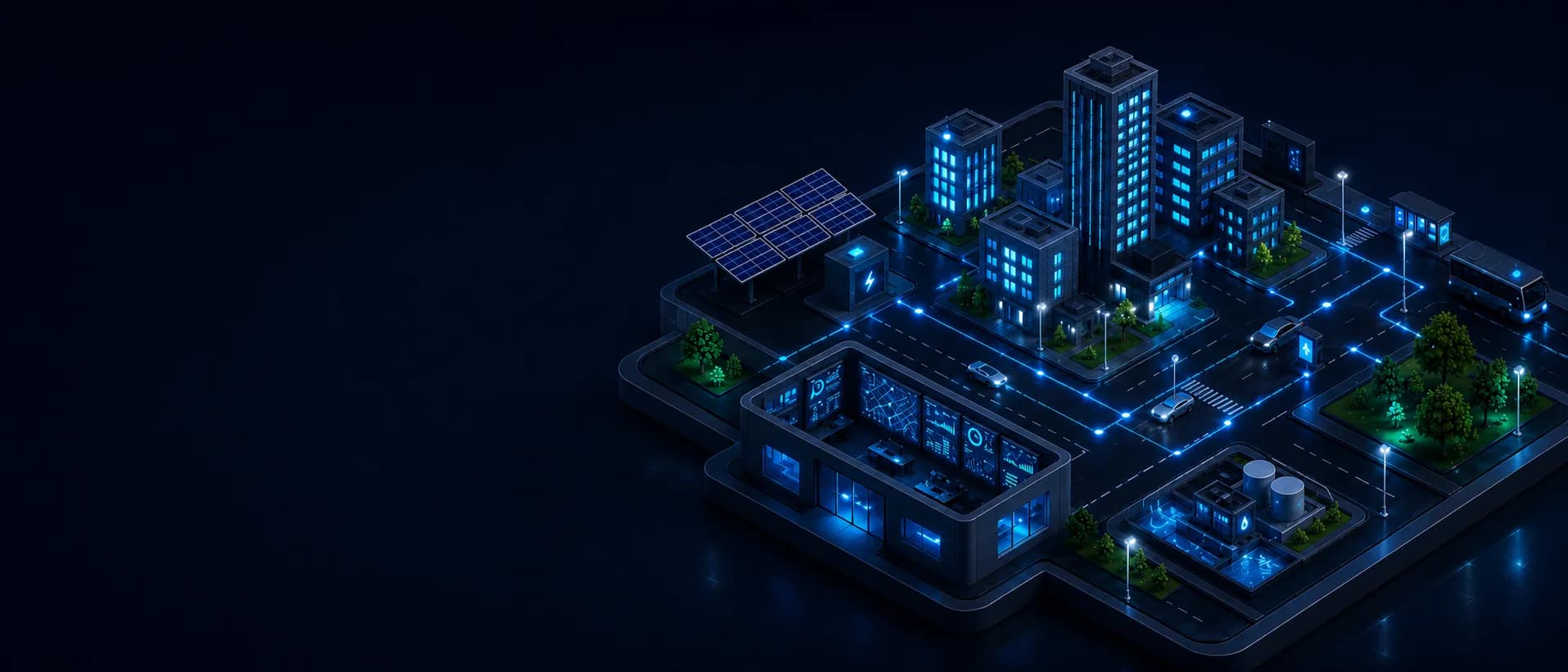
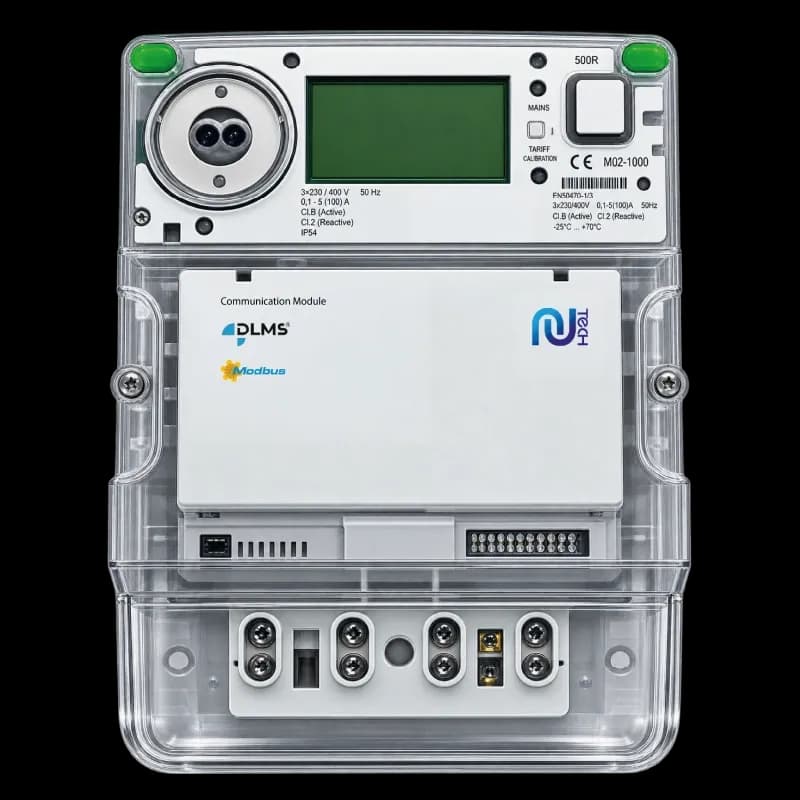
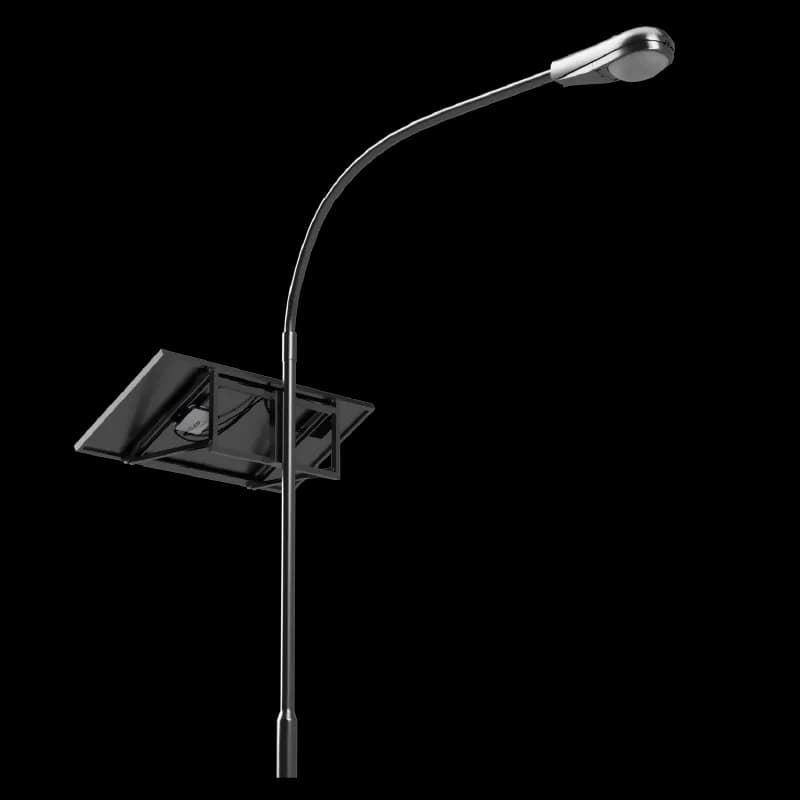
The most common misconception in smart city projects is that every application must be gathered onto a single communication technology. Yet a lighting pole, a water meter and a junction camera have very different data profiles.
The four criteria that drive the choice
- Data frequency: one reading a day and per-second telemetry do not require the same infrastructure.
- Power source: a grid-connected device and a battery-powered meter carry different constraints.
- Physical site conditions: building density, underground installation and distance change coverage behaviour.
- Ownership model: whether the infrastructure will belong to the municipality or be operated through a carrier.
Once these criteria are weighed, most cities arrive not at a single technology but at a structure in which several layers work together. What matters is not the number of layers but that all of them converge on one platform.
The common denominator: one management layer
Different technologies produce different data formats. That difference must not reach the operations team; every measurement from the field should appear in the same interface, in the same language. Otherwise a city accumulates as many separate management screens as it has technologies.