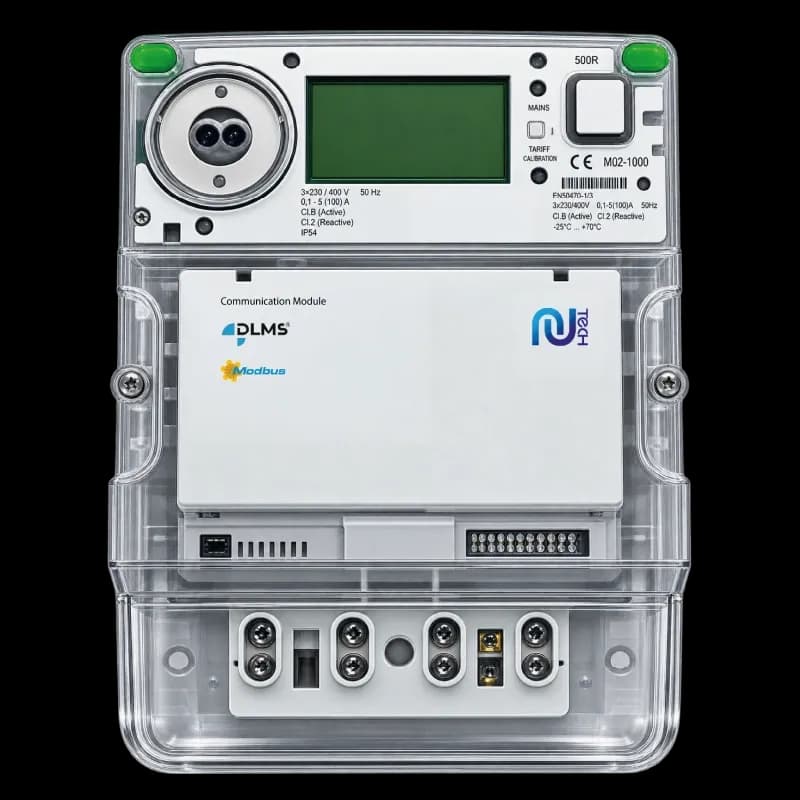
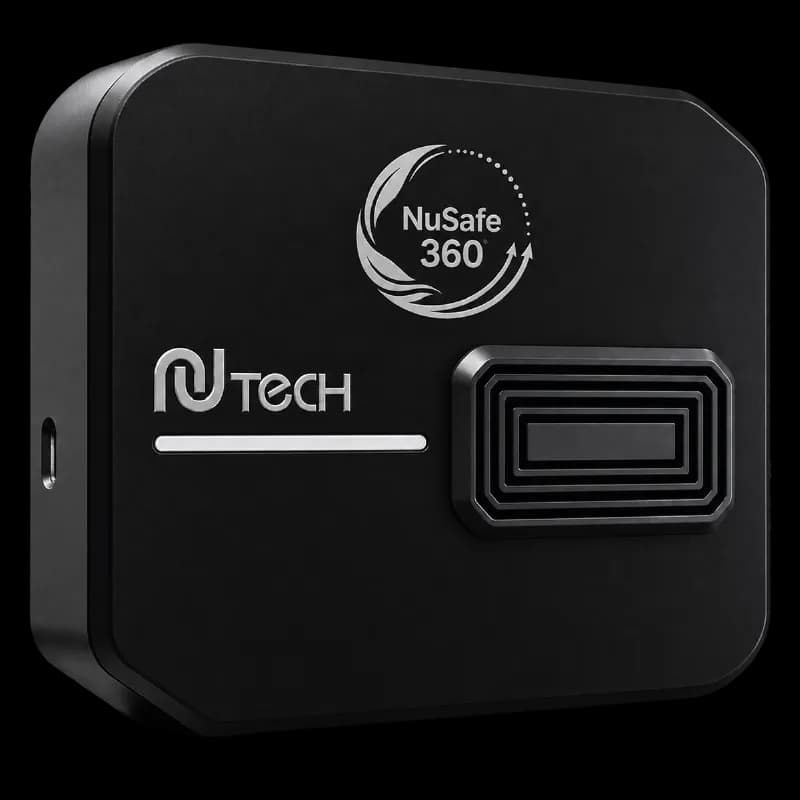
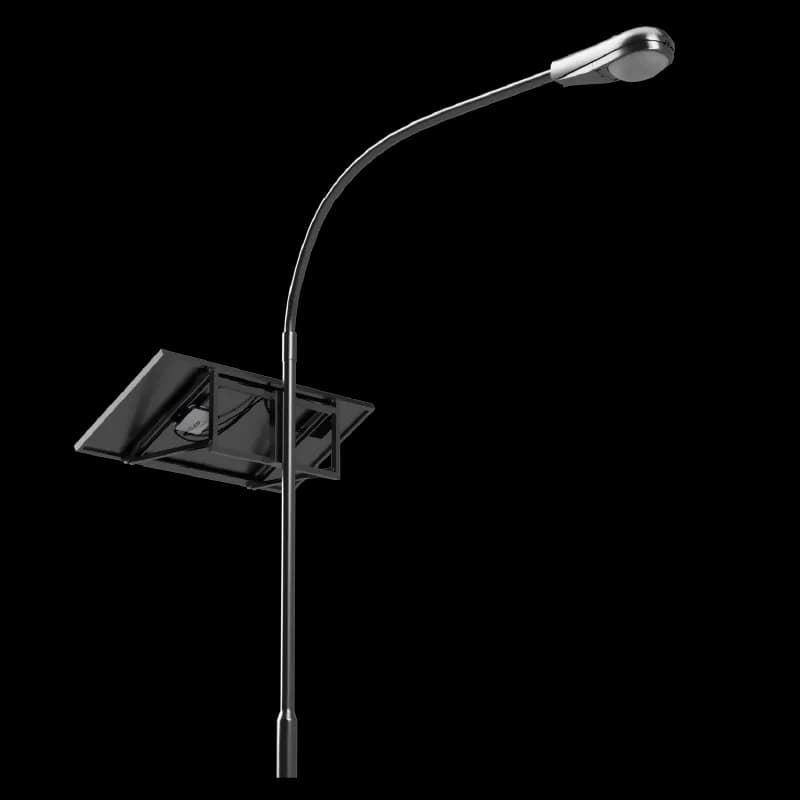
IoT Solution Ecosystem

Industrial IoTfrom the machine to energy, the whole facility on one screen.

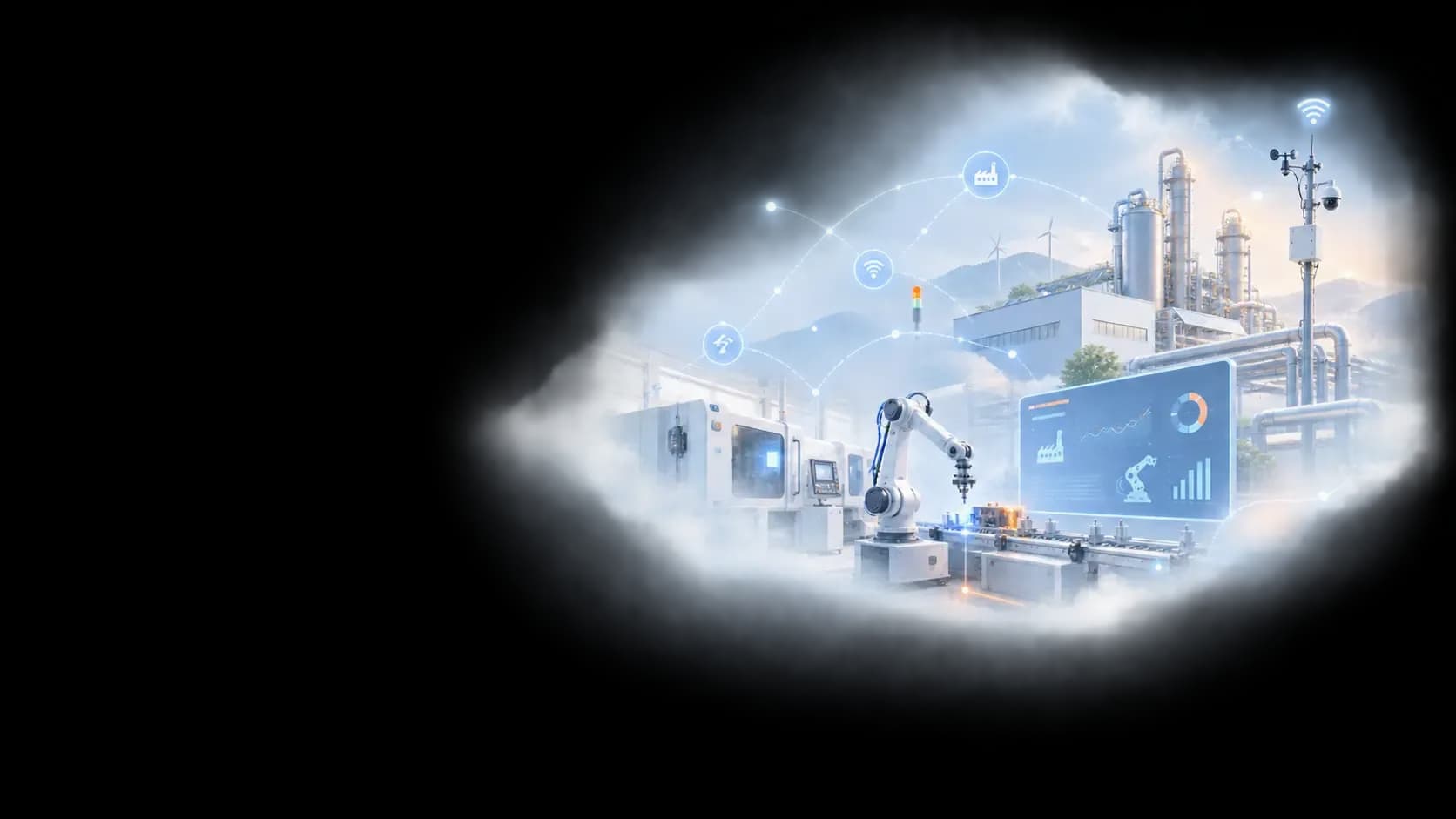
Fragmented data sources, reactive maintenance and invisible energy losses are the greatest obstacles to efficiency in a modern facility. Nu Platform works in one architecture from the field sensor to the management panel, making every layer of the facility real-time, measurable and actionable.

01 / 12

Machine Monitoring

Take the pulse of every machine before production stops.

Continuous monitoring of critical equipment with vibration, temperature, pressure and motor current sensors. Unplanned stops and micro-stops are detected automatically, and manual downtime tracking disappears entirely.

  • Unplanned stop detection
  • Micro-stop capture
  • Bottleneck analysis
  • Continuous tracking with vibration, temperature, pressure and motor current sensors
  • Automatic detection of the machine constraining the line (bottleneck analysis)
  • Elimination of manual downtime tracking

OEE

Availability, performance and quality components monitored on one screen
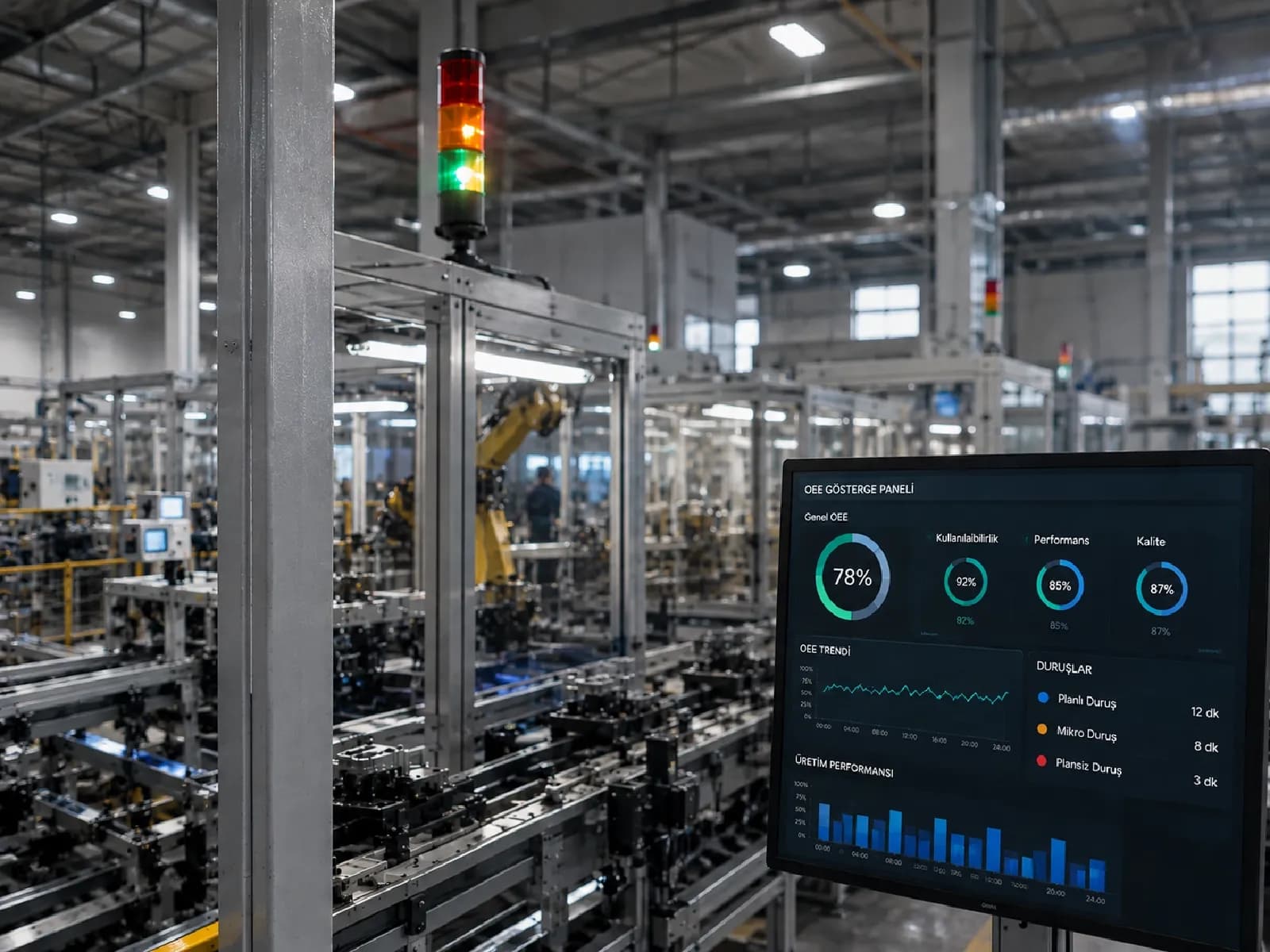
Machine Monitoring — Machine Monitoring Module
02 / 12

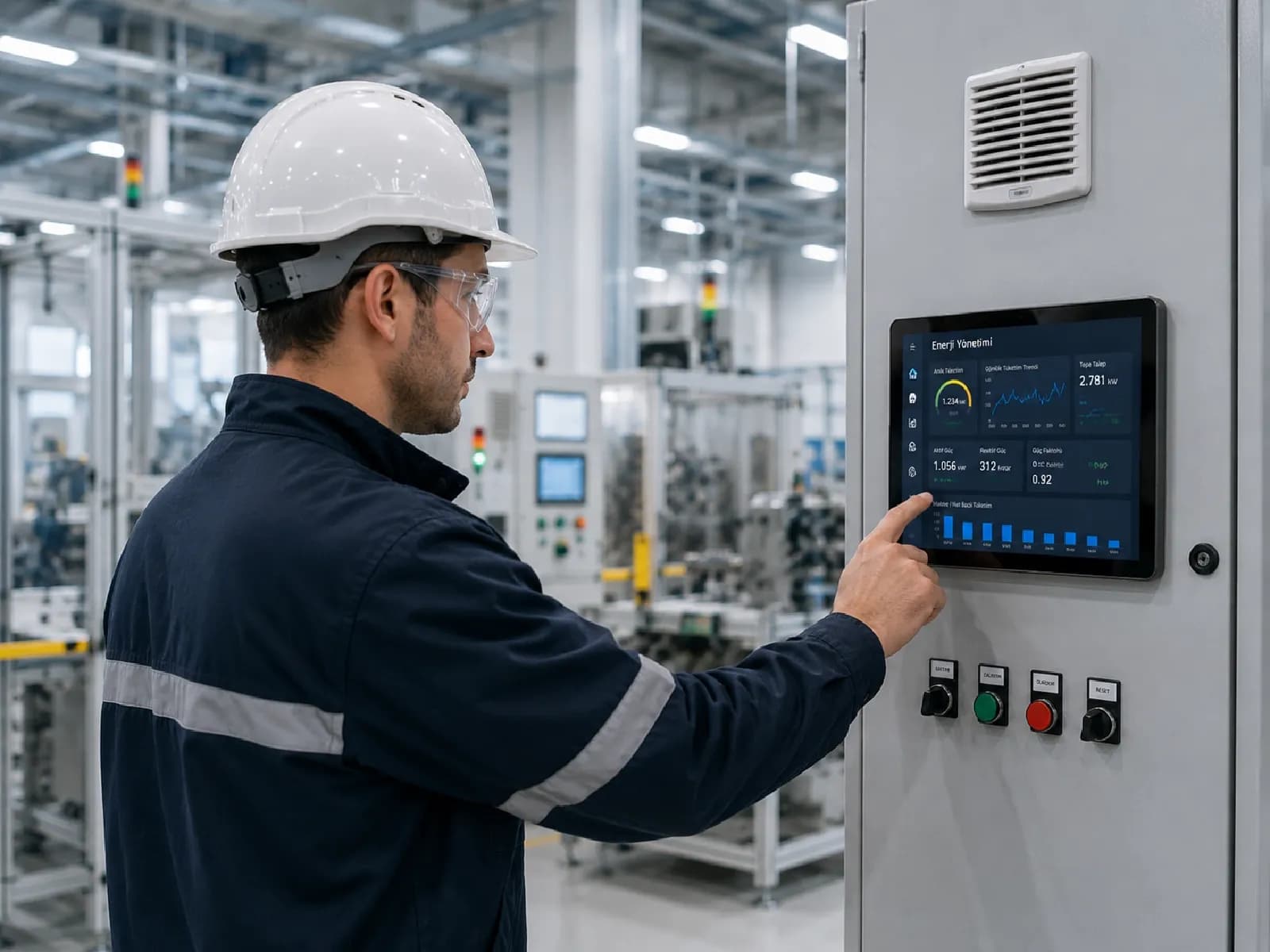
Energy Monitoring and Control

See energy cost from the machine to the line, and from the line to the product.

Monitoring of electricity consumption at main panel, sub-panel, line and equipment level; the energy cost of every machine and every product is calculated separately, and peak demand overruns and reactive penalty charges are prevented.

  • Machine and line level consumption
  • Product-level energy (kWh/unit)
  • Peak demand monitoring
  • The energy of each machine is monitored separately and inefficient equipment is identified
  • Reactive energy cost is reduced by improving cos phi (the power factor)
  • Phase imbalance and power quality problems are detected early

kWh/unit

Energy cost is calculated for each product or batch, providing the basis for production optimisation

Technical Note

Unusual consumption patterns are detected with artificial intelligence; leakage consumption and equipment faults are identified in advance.

Energy Monitoring and Control — Energy Analyser
03 / 12

Machine Predictive Maintenance

See the fault before the fault arrives.

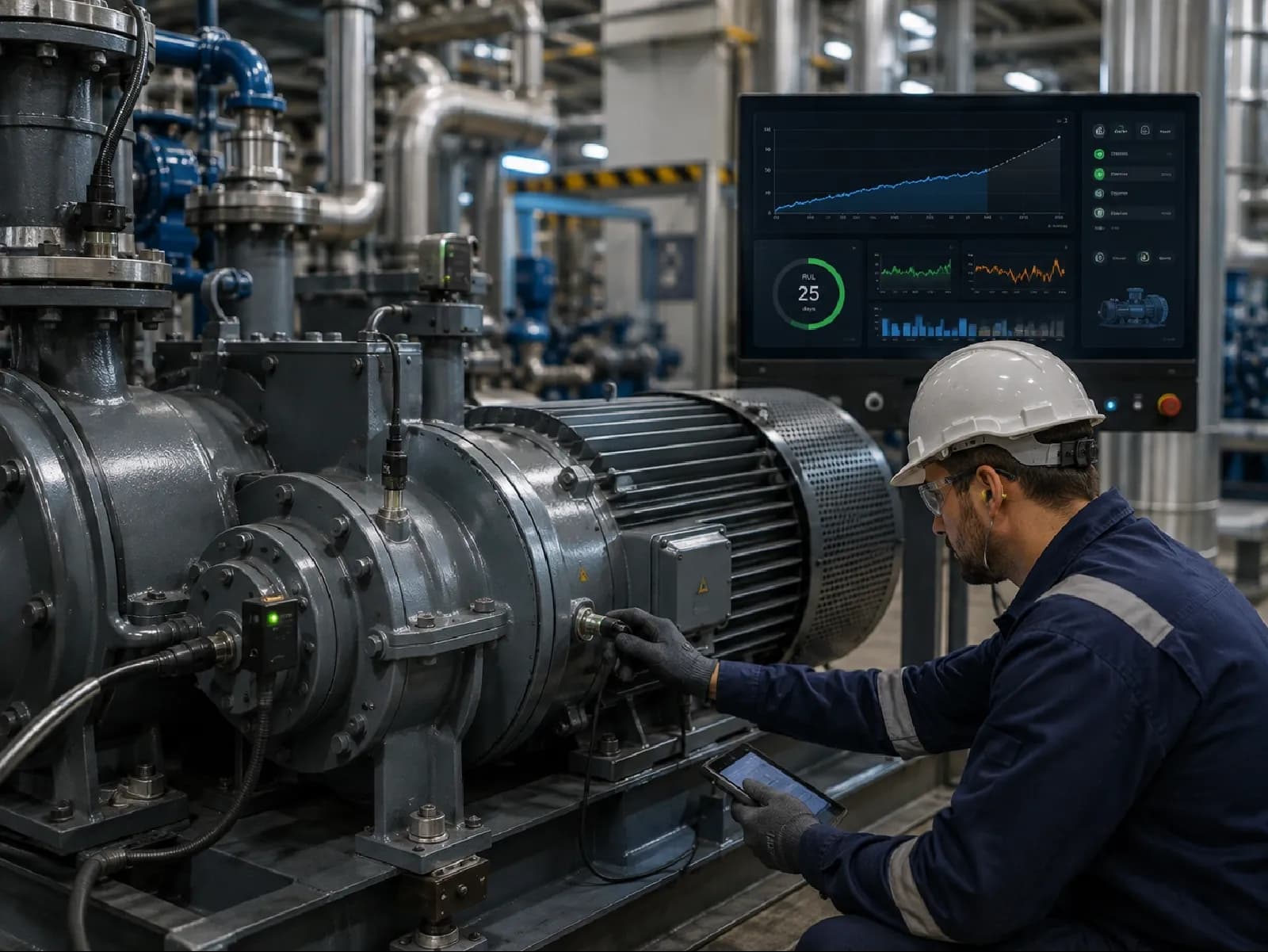
Vibration, temperature, current and process data are evaluated together with AI models; deviations from the normal operating profile are identified at an early stage, and remaining useful life (RUL) is estimated so that maintenance decisions become data-driven.

  • Signal analysis
  • Anomaly detection
  • Fault prediction (RUL)
  • Vibration, temperature, current and process data evaluated together
  • Early detection of invisible degradation trends
  • Data-driven maintenance planning from remaining useful life (RUL) estimates

RUL

Unplanned stops fall, maintenance cost is optimised and equipment life is extended

Technical Note

Trend deviation, threshold overrun and model output are passed to the alarm engine; the maintenance team is directed to the right equipment at the right time.

Machine Predictive Maintenance — Predictive Maintenance Sensor
04 / 12

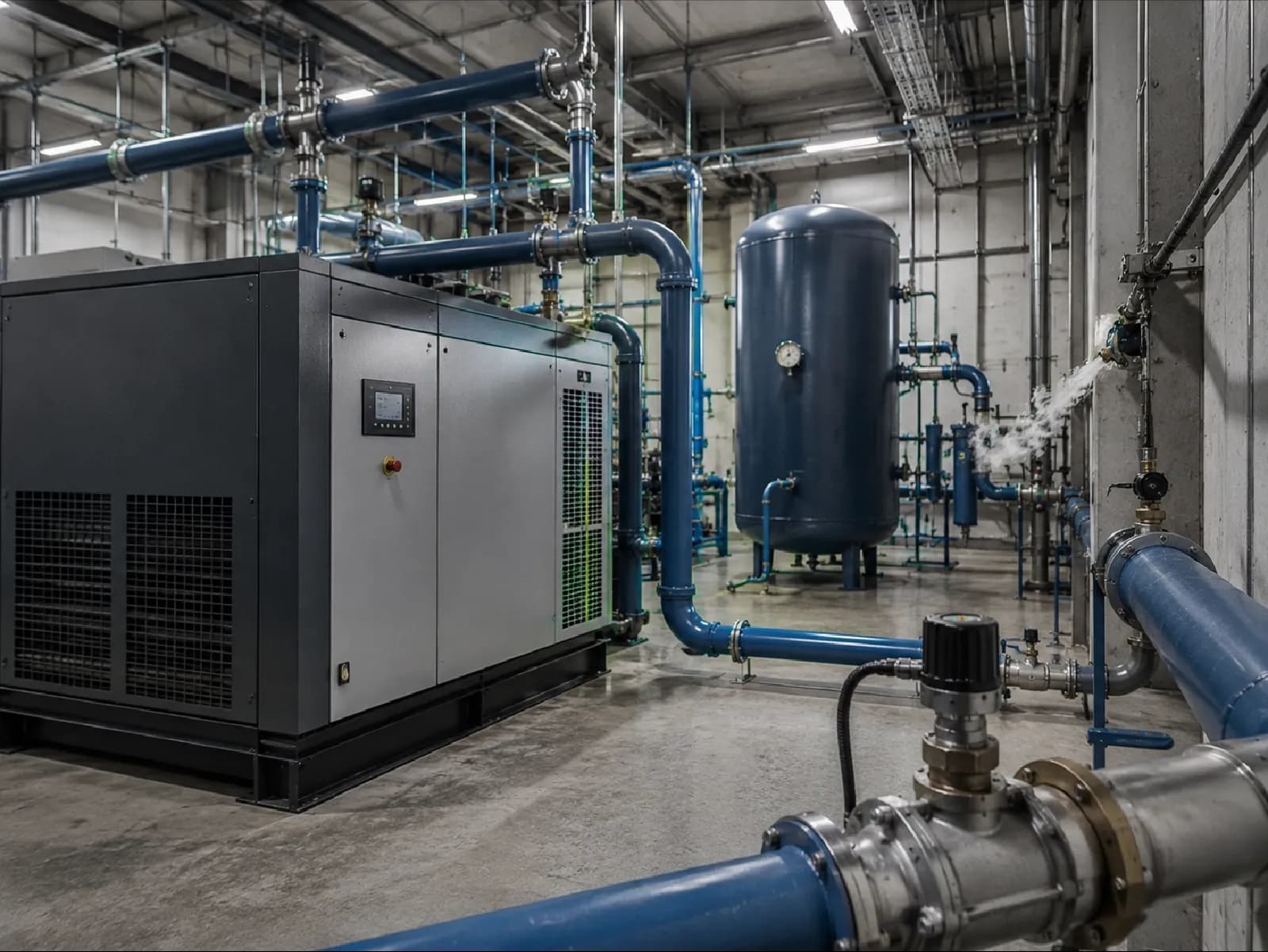
Resource Consumption Monitoring

From electricity to compressed air, monitor every resource on one screen.

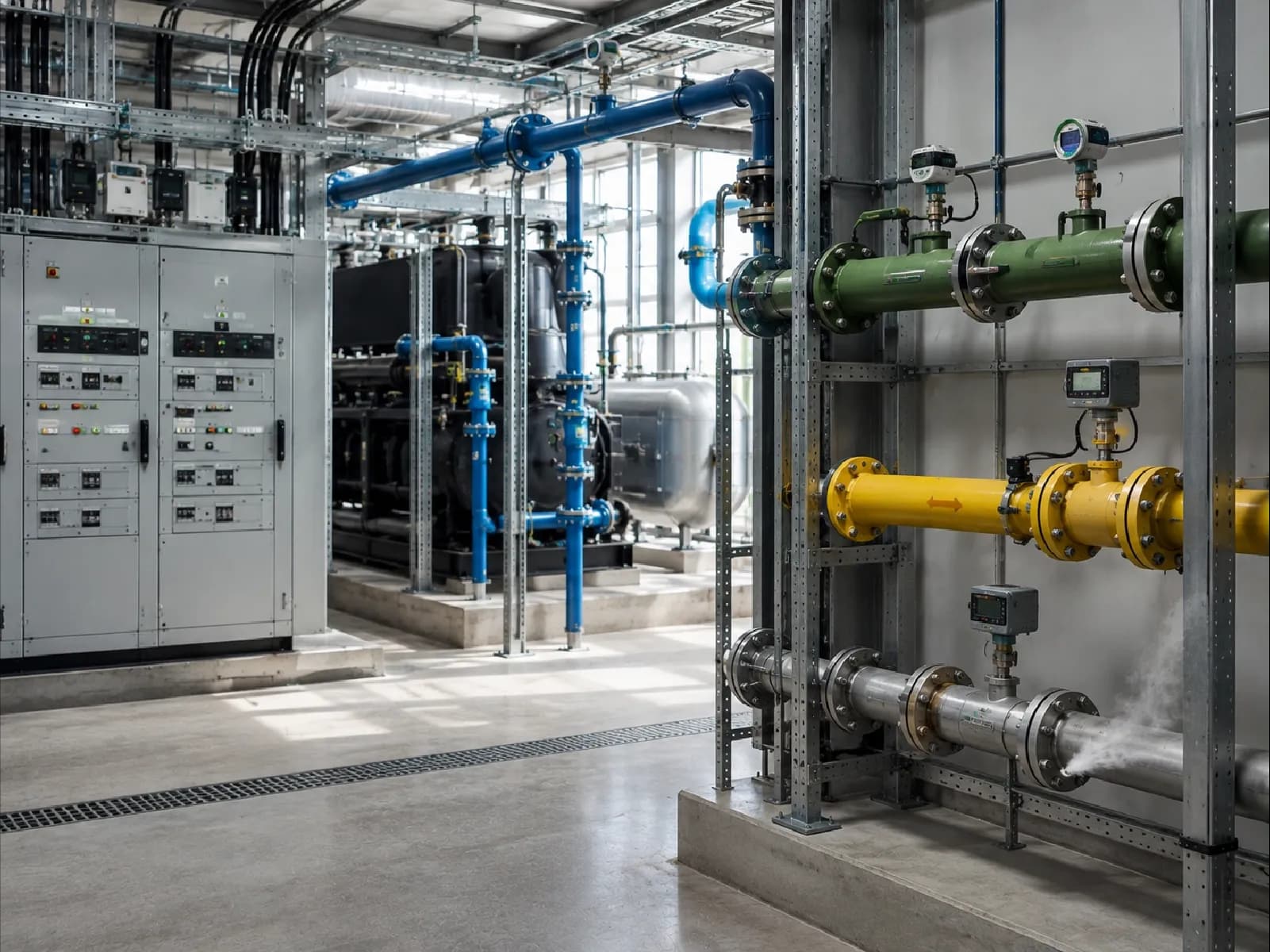
Live monitoring and analysis of critical resources such as electricity, water, natural gas and compressed air, making optimisation opportunities visible.

  • Electricity, water and gas tracking
  • Compressed air monitoring
  • Central alarm management
  • Monitoring of water use across production, process and auxiliary facilities
  • Measurement of fuel consumption in furnaces, boilers and thermal processes
  • Detection of compressor-driven compressed air consumption and of leaks

full visibility

Full visibility of resource consumption, leak and anomaly detection, and line-level cost analysis

Resource Consumption Monitoring — Resource Metering Module
05 / 12

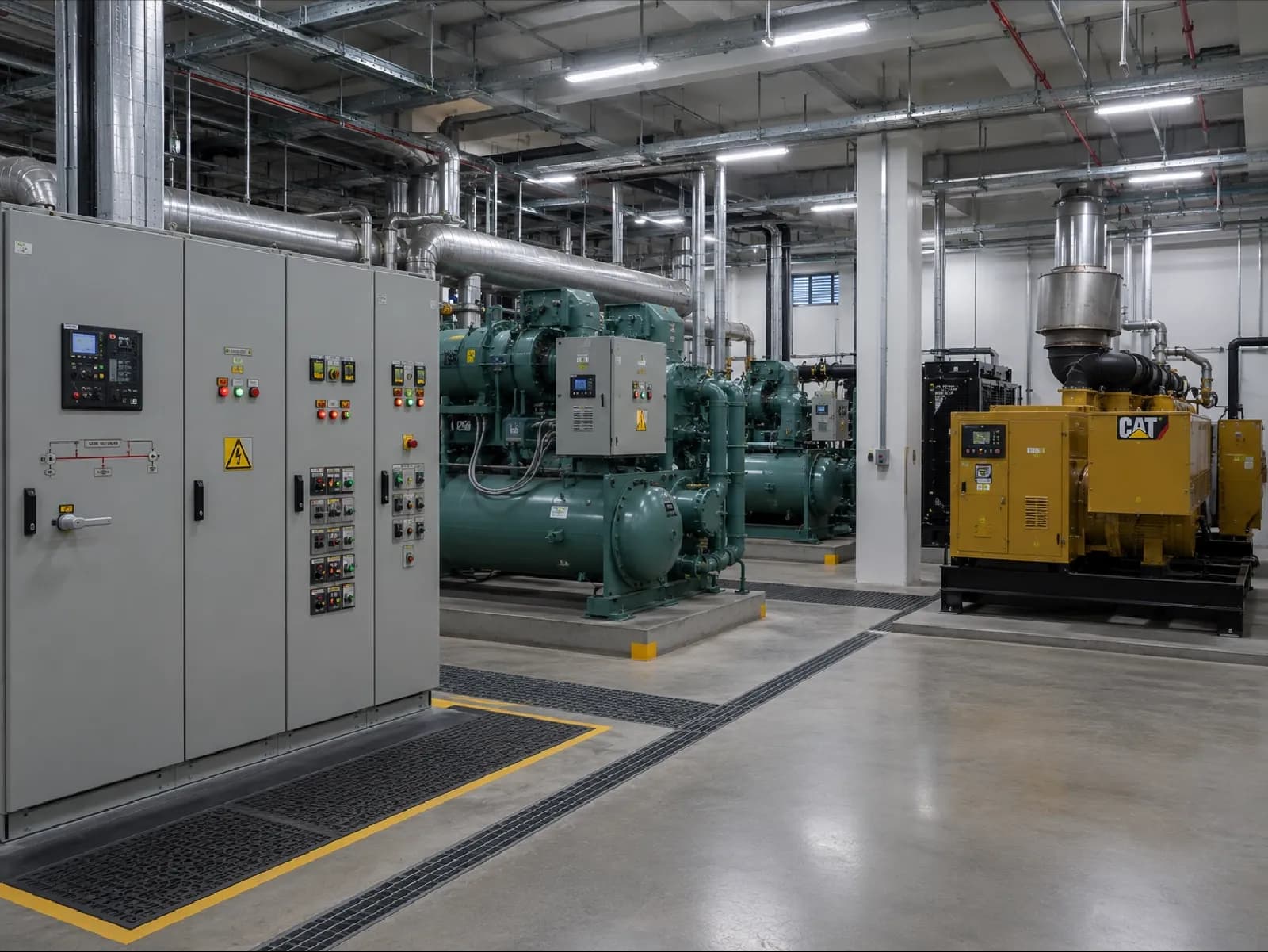
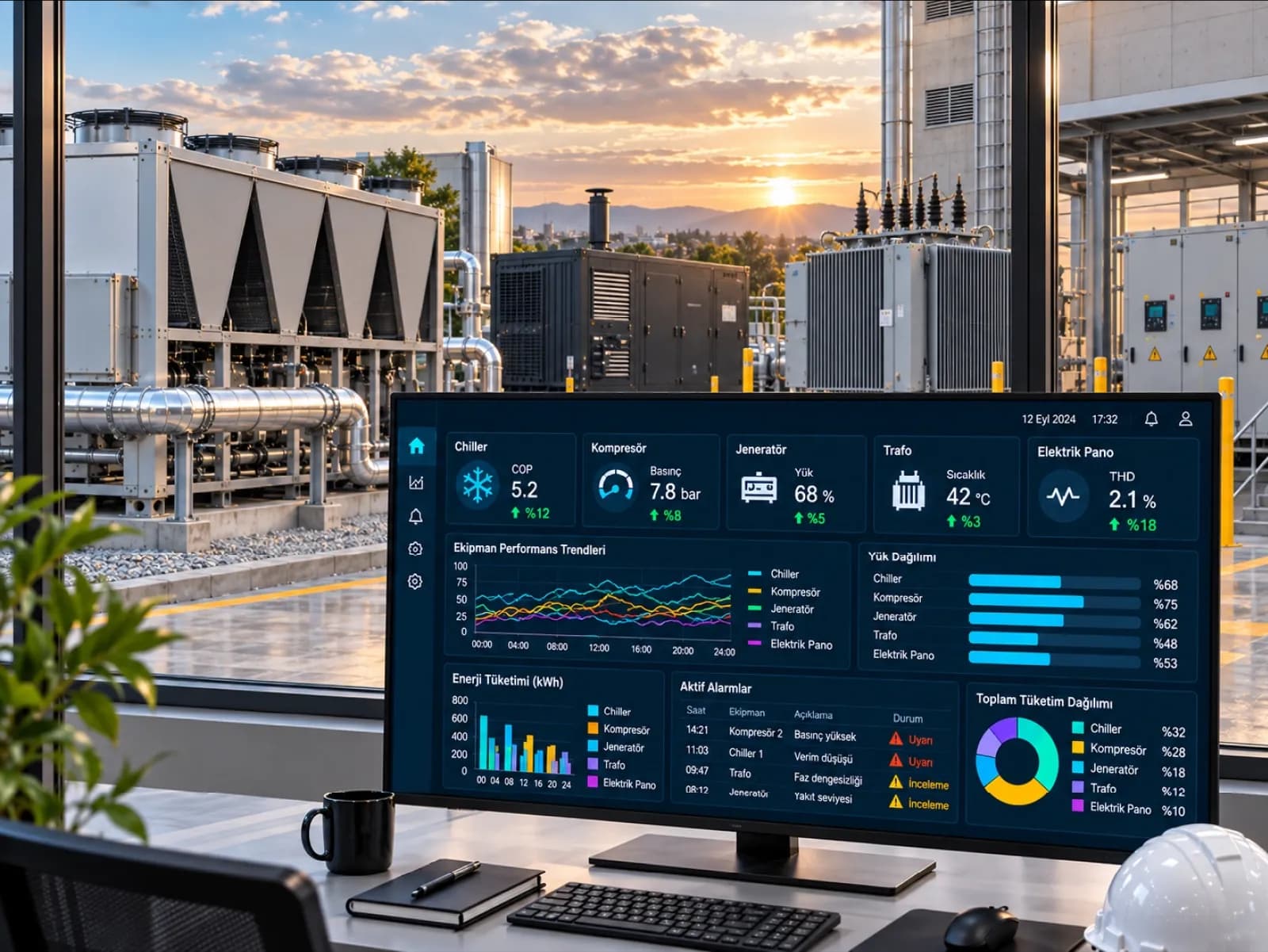
Equipment and Auxiliary Facility Monitoring

From the panel to the compressor, make the facility's background visible.

Chillers, generators, transformers and electrical panels, together with compressor systems, monitored on one platform. Pressure losses, phase imbalance and inefficient operating conditions are detected early, protecting the annual energy budget.

  • Chiller and cooling (COP/EER)
  • Transformer and panel monitoring
  • Compressor leak detection
  • Preventing unnecessary energy consumption by balancing cooling loads
  • Reducing the risk of overload by optimising load distribution
  • Protecting equipment life by monitoring harmonics and phase imbalance

15-30%

Typical loss caused by leaks on compressor lines

Technical Note

With pressure monitoring, leak detection and load/idle analysis, the typical losses on compressor lines are identified in the 15-30% range.

Equipment and Auxiliary Facility Monitoring — Auxiliary Facility Sensor
06 / 12

Backup Power System Monitoring

Be certain you are ready the moment the power fails.

Continuous monitoring of generator (generator-UPS) systems for load, fuel consumption and phase balance, so that the backup systems are ready to take over at any moment.

  • Generator load optimisation
  • UPS phase balance monitoring
  • Early warning of a critical outage
  • Reducing fuel consumption by optimising generator loads
  • Preventing unnecessary running time and low-efficiency operation
  • Imbalance between UPS phases is flagged in advance as a critical outage risk

UPS

When the phase imbalance threshold is crossed, the risk of a critical power failure is flagged in advance

Backup Power System Monitoring — UPS and Generator Sensor
07 / 12

Tank and Silo Level Monitoring

See the raw material before it runs out, not as it does.

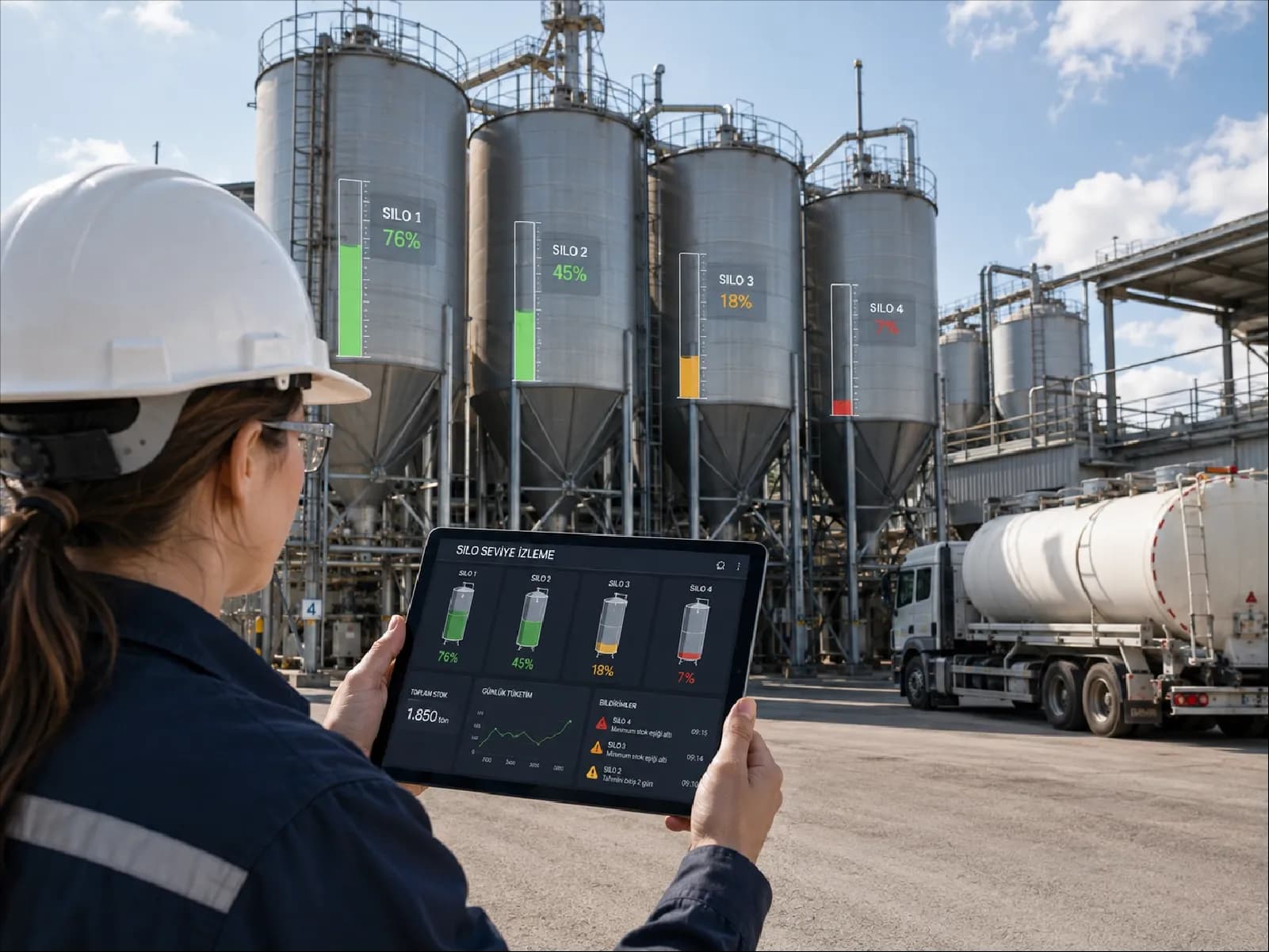
Silo, tank and bunker levels measured with ultrasonic or radar sensors; the remaining stock time is calculated automatically from the consumption rate, and resupply is triggered automatically at a critical level.

  • Ultrasonic and radar level measurement
  • Stock time estimation
  • Critical level alarm
  • Live measurement of silo, tank and bunker levels
  • Order optimisation based on historical consumption data
  • Automatic notification and supply trigger at the minimum stock threshold

stock/day

Remaining stock time is calculated automatically from the consumption rate and the current level

Tank and Silo Level Monitoring — Level Sensor
08 / 12

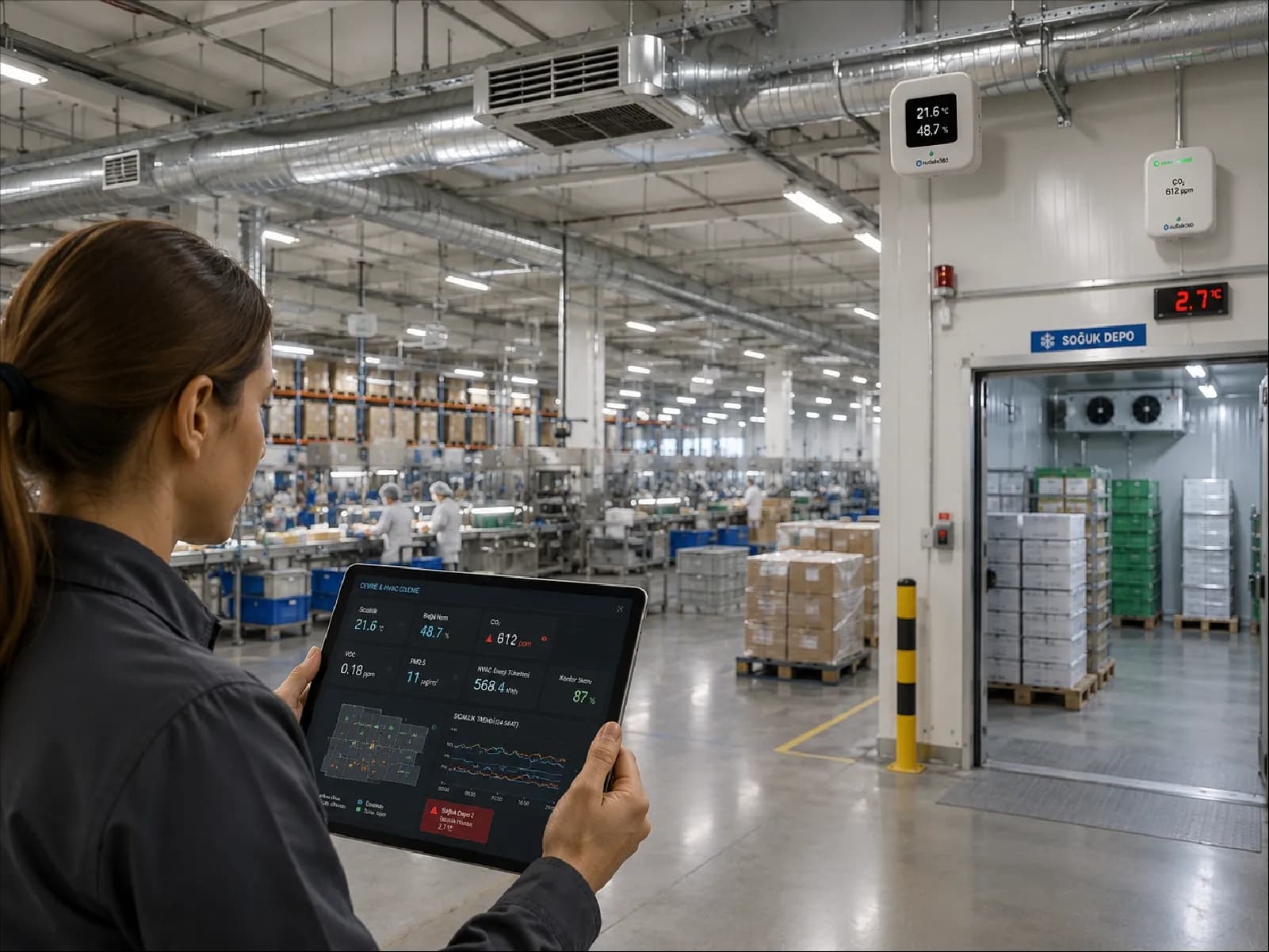
Air Quality Monitoring

Protect the worker and the product at the same time.

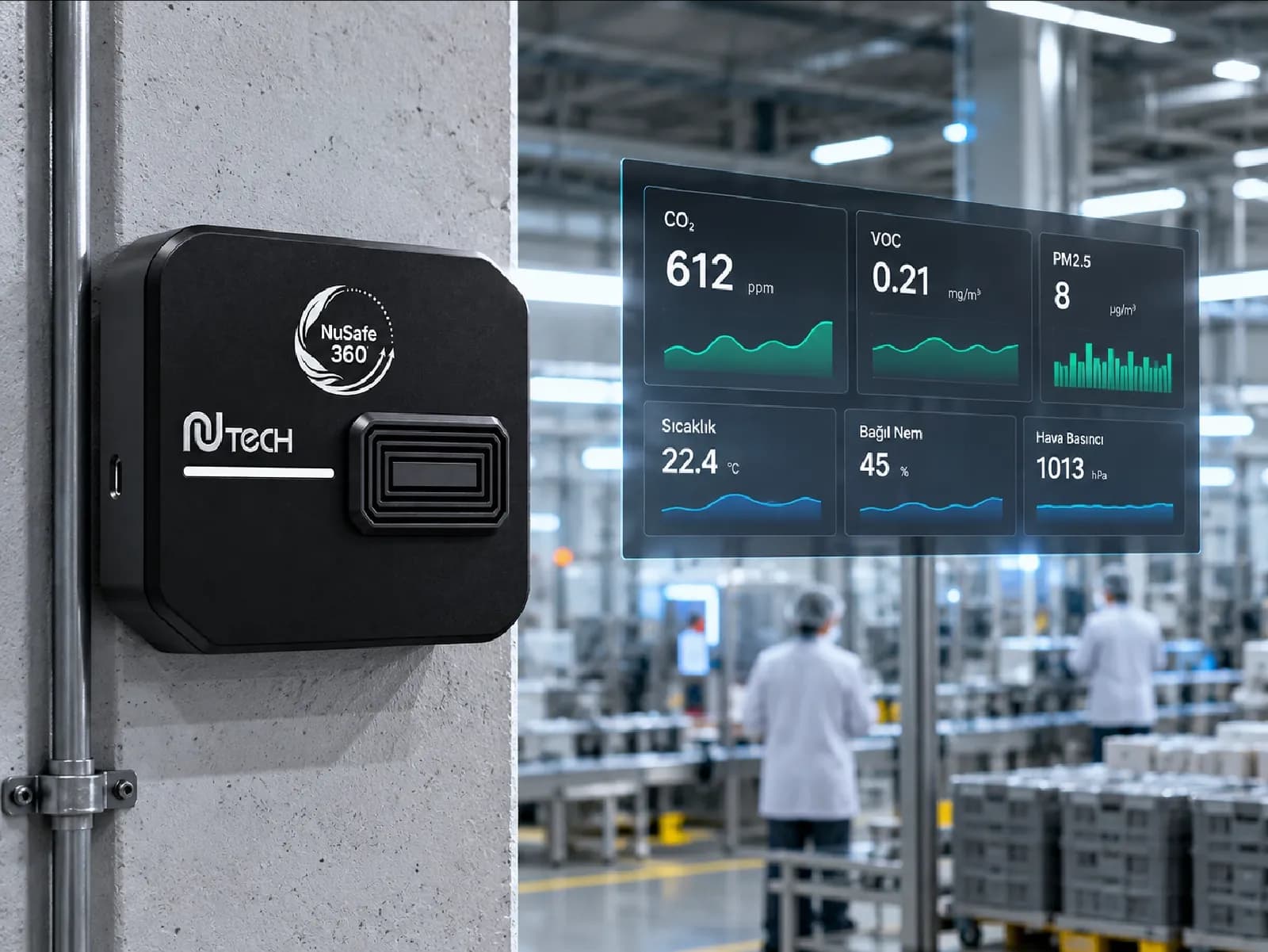
Continuous monitoring of indoor air quality (IAQ) parameters such as CO2 concentration, VOC and particulate matter; deviations critical to worker health and product safety become instant alarms.

  • CO2 and VOC monitoring
  • Particulate matter tracking
  • Protection of worker health
  • Continuous environmental monitoring across the production area, storage and the cold chain
  • Live measurement of CO2, VOC and particulate matter concentration
  • Rapid response through an instant alarm when a deviation occurs

IAQ

The parameters critical to worker health and product safety are monitored continuously

Air Quality Monitoring — IAQ Sensor
09 / 12

Production Tracking and MES Integration

Bring invisible efficiency losses to the surface.

In-depth analysis of the availability, performance and quality components of Overall Equipment Effectiveness (OEE); the machine constraining the line is detected automatically, and production data comes together on one platform through integration with MES systems.

  • OEE analytics
  • Bottleneck detection
  • MES integration
  • Availability: automatic detection of unplanned stops and micro-stops
  • Performance: bottleneck analysis from an actual-speed against ideal-speed comparison
  • Quality: real-time tracking of defects, rework and scrap

5-15%

The total OEE improvement potential achievable, depending on the structure of the line

Technical Note

Actual production speed is compared with the ideal speed; line synchronisation losses and shift- or product-level bottlenecks are surfaced automatically.

Production Tracking and MES Integration — Production Tracking Module
10 / 12

Emergency Equipment Monitoring

Be certain the equipment is ready at the critical moment.

Digital tracking of the location, condition and last inspection dates of emergency equipment such as fire extinguishers, eyewash stations and first aid points; missing or expired equipment is reported automatically.

  • Location and condition tracking
  • Expiry and inspection alerts
  • Compliance reporting
  • A digital inventory of equipment such as fire extinguishers, eyewash stations and first aid points
  • Automatic tracking of last inspection and expiry dates
  • An instant alert for missing or faulty equipment
Emergency Equipment Monitoring — Emergency Equipment Sensor
11 / 12

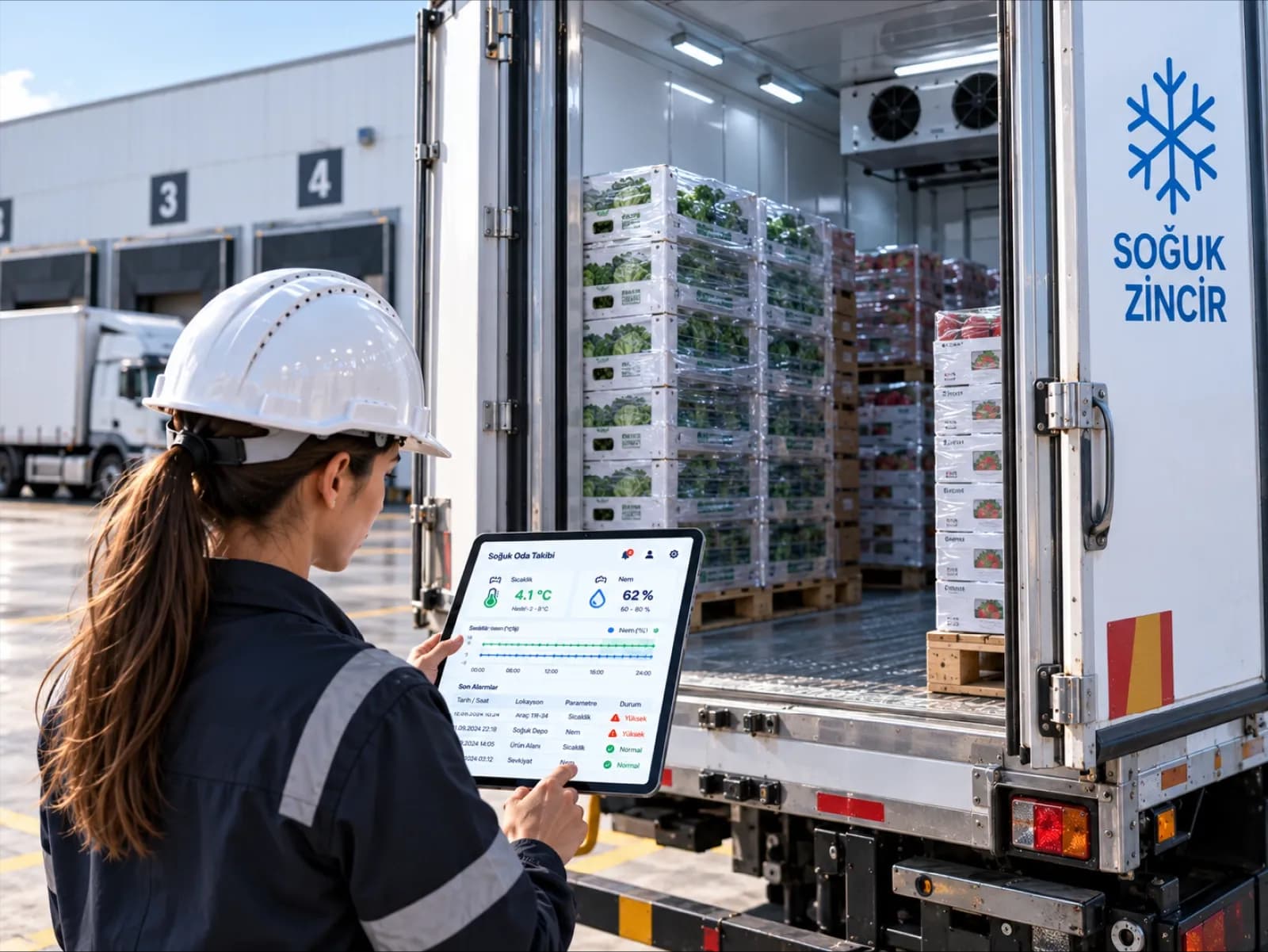
Cold Room Monitoring

Monitor every link of the cold chain, without a break.

Continuous monitoring of temperature and humidity across the production area, storage and the cold chain; an instant alarm is raised on deviations critical to food and pharmaceutical quality.

  • Continuous temperature and humidity tracking
  • Cold chain integrity
  • Instant deviation alarm
  • Continuous temperature and humidity monitoring across storage and the cold chain
  • Preventing product loss through an instant alarm when a deviation occurs
  • Traceability critical to food and pharmaceutical quality

24/7

The cold chain is monitored without interruption, protecting product quality and shelf life

Cold Room Monitoring — Cold Chain Sensor
12 / 12

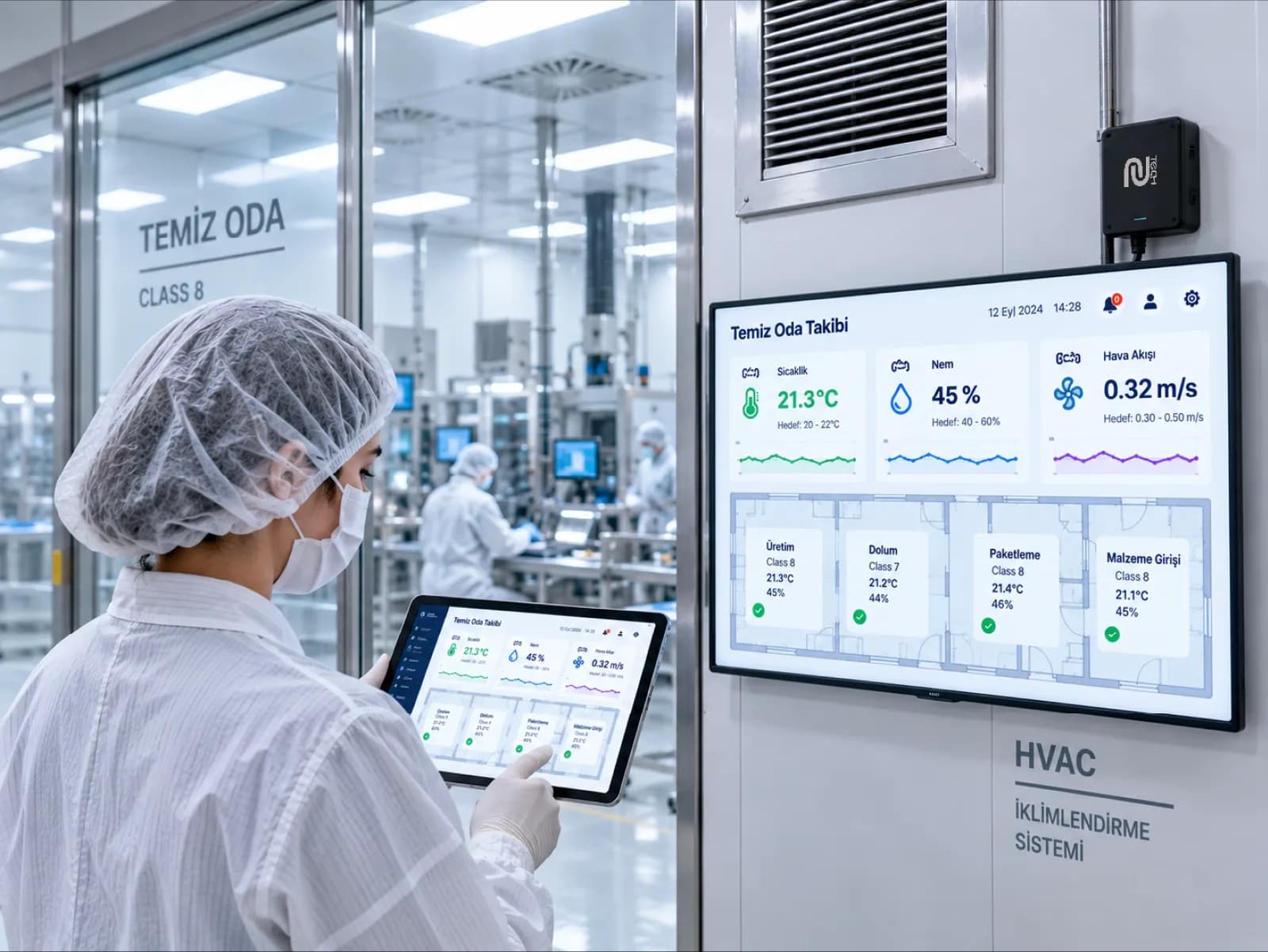
Clean Room Monitoring

Prove cleanliness at particle level, continuously.

Continuous monitoring of the critical parameters of clean room conditions through temperature, humidity and airflow sensors integrated with the HVAC systems; the optimum operating point is determined by comparing air conditioning energy consumption with the comfort it delivers.

  • Temperature, humidity and airflow
  • HVAC integration
  • Energy and comfort optimisation
  • Temperature, humidity and airflow monitoring integrated with the HVAC systems
  • Comparison of air conditioning energy consumption against the comfort level
  • Protecting process safety through an instant alarm when a deviation occurs

Technical Note

The critical parameters of the air conditioning systems are monitored continuously with temperature, humidity and airflow sensors; an instant alarm is raised when a deviation occurs.

Clean Room Monitoring — Clean Room Sensor
System Architecture

From the field sensor to ERP, a three-layer architecture.

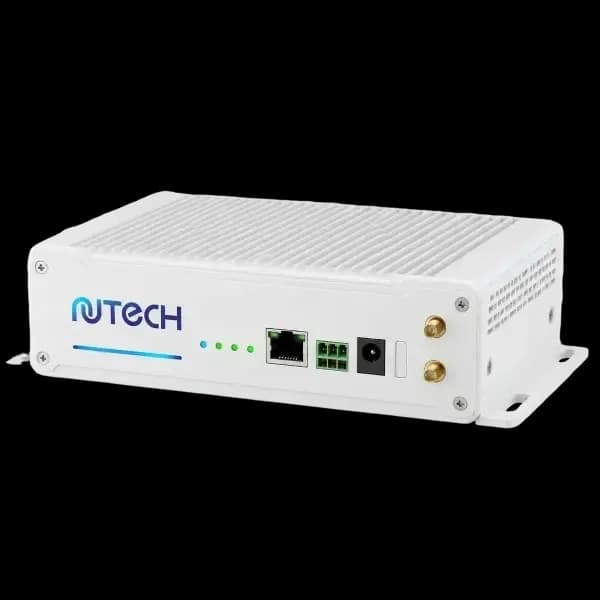
All twelve of these modules run on the same three-layer architecture: industrially certified sensors in the field layer (vibration, temperature, pressure, motor current, three-phase analysers), local pre-processing on an Edge Gateway with Modbus and OPC-UA protocol support, and Nu Platform providing two-way data flow to enterprise systems through ERP, SCADA and REST API integration. Each layer scales independently, and works with your existing facility infrastructure so your investment is protected.

Nu Platform

Four ecosystems, one Nu Platform.

From urban management to energy and from industrial facilities to building management, every module above runs on the same architecture: field data is gathered in one centre, monitored in real time and turned into action.

  • Modular Architecture

    Sector-Specific Smart Modules

    A modular architecture whose modules can be added or removed as needed — start with one and grow step by step.

  • Monitoring

    Real-Time Asset Monitoring

    Every device and asset in the field is monitored on one screen, with its live status.

  • Artificial Intelligence

    AI-Based Anomaly Detection

    Abnormal consumption, fault or leak patterns are detected automatically.

  • Action

    Alarm and Event Engine

    When critical thresholds are crossed, instant notification and field coordination are triggered.

  • Reporting

    Reporting and Dashboard

    Data from every module is reported on one panel and KPIs are calculated automatically.

  • Integration

    ERP / SCADA / REST API

    Two-way data flow with enterprise systems and field protocol connectivity.

Let's Begin

Let's measure your facility's invisible loss together.

All twelve modules run on the same three-layer architecture, integrated with your existing facility infrastructure.